 Kenzam
 Bluetooth Speaker vs. Desktop Speakers: Which Fits a Small Room Better?
Deciding between a portable Bluetooth speaker and dedicated desktop speakers for a compact room? Compare sound quality, positioning, and everyday convenience.
Choosing between a Bluetooth speaker and a dedicated desktop speaker setup for a small room comes down to a fundamental trade-off: acoustic fidelity versus physical freedom. If you spend most of your time seated at a desk working, watching movies, or gaming, a stereo desktop system provides superior sound separation and depth. If your daily routine involves moving around, lounging in bed, or keeping cable clutter to zero, a compact Bluetooth speaker is usually the more practical investment.
Sound Quality and Acoustic Ceiling
Active desktop monitors—especially traditional 2.0 bookshelf speakers—hold an inherent acoustic advantage. Their larger cabinets and dedicated woofers displace more air, yielding deeper low-frequency extension and a distinct stereo soundstage. Having two separate channels spaced apart creates realistic instrument positioning that single-box speakers struggle to replicate.
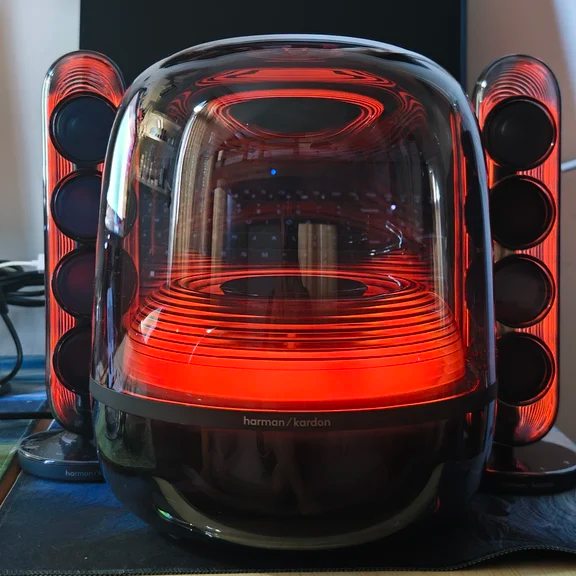
By contrast, portable Bluetooth units are limited by enclosure volume and wireless compression. While high-bitrate codecs like LDAC and aptX Adaptive have narrowed the gap significantly, small cabinets cannot cheat the laws of physics. For tight bedrooms, desktop speakers with 3-inch to 4-inch drivers often hit the sweet spot: they offer clean punch without triggering muddy bass resonance in unpadded corners.
Placement Freedom vs. The Sweet Spot
A proper desktop stereo pair demands deliberate placement. To get proper staging, the left and right speakers should sit at ear level, angled inward to form an equilateral triangle with your listening position. They also require dedicated wall power and audio interconnects, keeping them anchored to your work table.
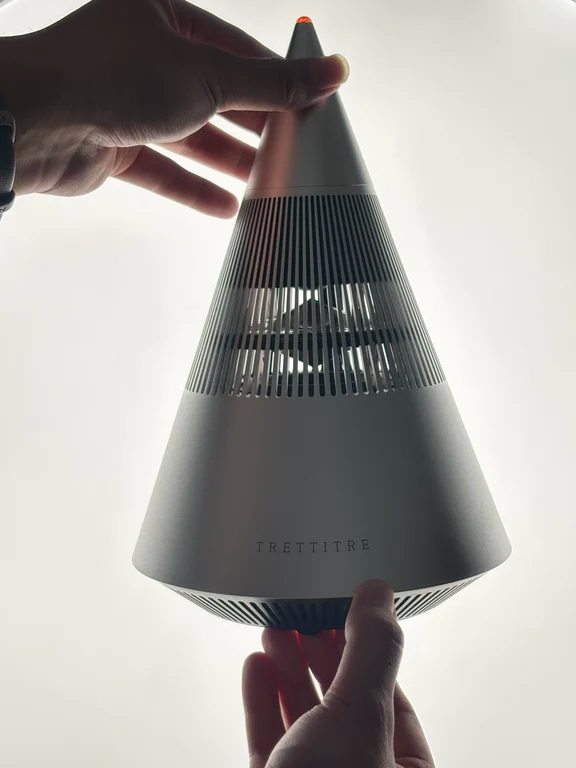
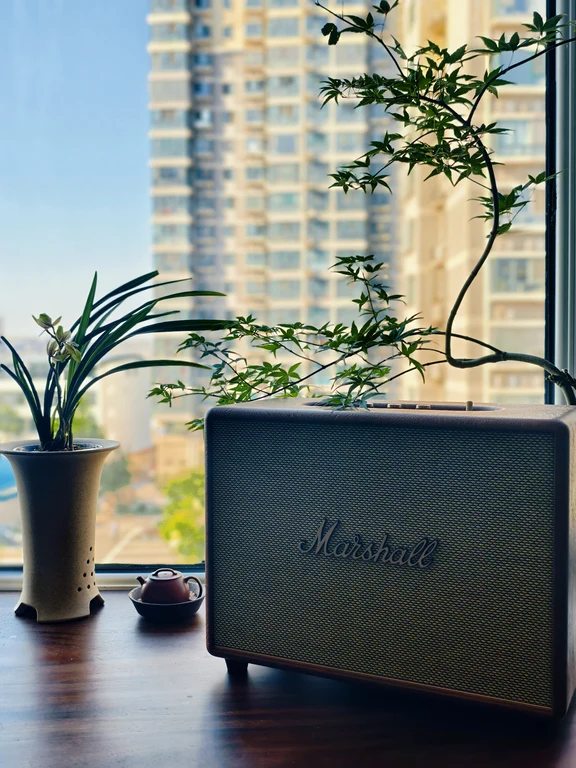
Bluetooth speakers excel where flexibility matters most. Battery-powered models move effortlessly from a bedside stand to a desk, a kitchen counter, or a balcony. Many compact speakers feature omnidirectional 360-degree acoustic dispersion, which is ideal for filling a small room with relaxed background music without worrying about sitting in a narrow acoustic sweet spot.
Latency and Daily Usability
Convenience depends heavily on what devices you connect. Bluetooth units shine for phone and tablet listening—pairing takes seconds, and playback resumes with a single tap.
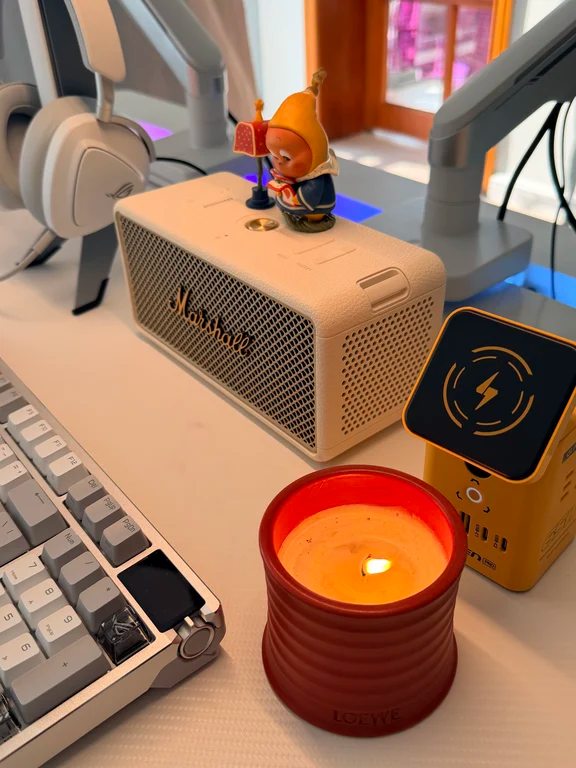
However, if your primary source is a PC or console, desktop speakers connected via USB, optical, or standard 3.5 mm AUX lines deliver reliable, lag-free audio. Zero latency is crucial for dialogue synchronization in films and pinpointing directional cues in competitive gaming, an area where standard Bluetooth transmission can still introduce noticeable delay.
Which Setup Should You Choose?
- Go with desktop speakers if roughly 80% of your listening happens at your computer, you appreciate realistic stereo imaging, and you want zero audio latency for PC gaming and video editing.
- Go with a Bluetooth speaker if you want hassle-free background music while cleaning, studying, or resting, prefer an uncluttered desk, and want the freedom to carry your sound into any corner of your home.
When shopping for audio gear across Iraq, prices and model availability vary considerably between local computer shops and specialized audio retailers. You can use Kenzam to browse and compare current listings from stores throughout Iraq to find the right configuration for your room and budget.
Source: [95]