 Kenzam
 Hisense vs TCL TVs: Picture Quality, Screens, and Value Compared
Deciding between Hisense and TCL? Compare picture processing chips, panel brightness, anti-glare coatings, operating systems, and sound performance.
Choosing between TCL and Hisense is one of the most common dilemmas when shopping for a mid-range television. In the popular tier roughly between 3,000 and 6,000 CNY (approximately 550,000 to 1,100,000 IQD), both brands deliver impressive specifications on paper. However, their real-world strengths point toward very different viewer priorities: Hisense concentrates on refined picture processing and wide-angle anti-reflection, while TCL leads in raw brightness, backlight dimming zones, and ad-free software.
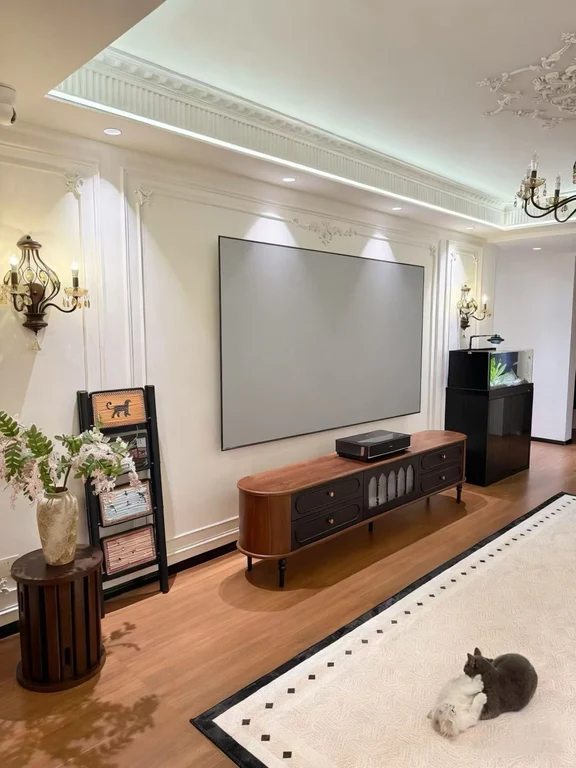
Picture Quality and Processing Chips
Hisense's primary edge lies in its proprietary Hi-View Engine AI picture processor. The chip focuses on true-to-life color calibration, gentle skin tones, precise shadow delineation, and reduced halo effects around bright objects against dark backgrounds. This balanced tuning makes long binge-watching sessions or movie nights significantly easier on the eyes.
TCL, leveraging panel production from its CSOT manufacturing plants, takes a hardware-first approach. At similar price points, TCL typically stacks higher peak nits and significantly more local dimming zones. The outcome is strong contrast, rich color saturation, and immediate visual pop, though subtle skin rendering and fine gradient nuances can appear slightly unpolished compared to Hisense.
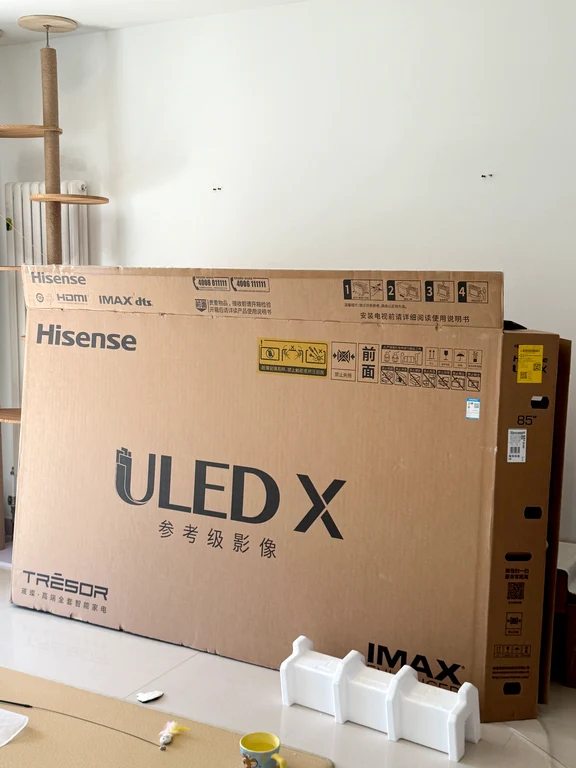
Anti-Glare Screens and Room Lighting
Room setup plays a huge role in panel selection. Hisense mid-range models (such as the E5S series) often use Black Crystal Screen 2.0 panels, bringing reflectance down to around 2.6%. This allows you to watch daytime television without drawing blackout blinds, while also maintaining consistent color across wider seating angles.
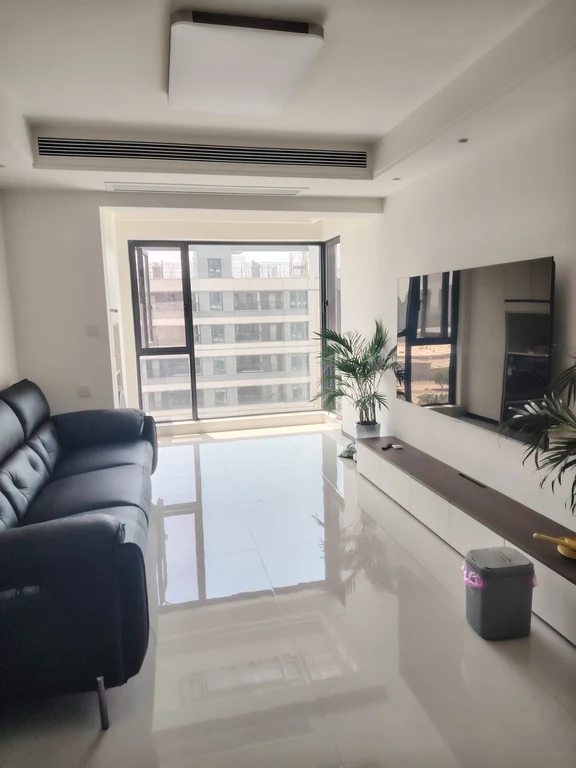
TCL focuses on its Butterfly Starry Screen or dedicated low-reflection coatings. These prioritize deep native contrast and low head-on glare, making them an excellent match for living rooms where viewers sit directly in front of the display in controlled lighting.
System Interface and Ease of Use
TCL's Lingkong OS 3.0 offers a streamlined, mobile-like home screen without boot-up ads. It opens quickly—often around 0.7 seconds on supported hardware—and provides intuitive menu navigation that suits seniors or casual users. Hisense operates on VIDAA, which excels at integrated AI picture presets and deeper content discovery, though some models may feature initial startup banners (which customer support can disable upon request) and slight navigation weight compared to TCL.
Integrated Sound and Hardware Value
Audio tuning follows distinct brand partnerships. Hisense frequently teams up with Devialet for 2.1.2 multi-channel setups with built-in subwoofers, giving richer bass and immersive room rumble. TCL leans toward Onkyo or Bang & Olufsen tunings, delivering clean dialogue and balanced mid-high ranges, though bass enthusiasts often prefer adding an external soundbar.
In terms of sheer raw hardware per dinar, TCL often packs higher native refresh rates and larger onboard RAM for less spend. Hisense commands a slight premium for its display engineering, stable factory quality control, and intelligent image processors. When browsing options in Iraq, you can search and compare current pricing across trusted local retailers directly on Kenzam to find the right deal for your space.
Source: [122]