 Kenzam
 How to Choose the Right Home Coffee Machine: Real Experience, Pros, and Hidden Traps
Explore the real differences between semi-automatic, fully automatic, and capsule coffee machines. Learn key buying factors like PID control, grinders, and maintenance.
Choosing a home coffee machine often turns into a dilemma: buy the wrong one, and it either collects dust because it requires too much work, or leaves you dissatisfied because it lacks brewing control. The right choice depends on your daily morning routine, your budget, and how much effort you are willing to spend preparing a cup.
Here is a breakdown of what living with each type of coffee machine actually feels like, along with the technical details that matter before you buy.
Semi-Automatic Machines: For the Hands-On Ritual
A semi-automatic machine is built for coffee lovers who want cafe-quality espresso and enjoy practicing latte art. With these machines, you control every single variable: bean grind size, coffee dosage, distribution, tamping pressure, and milk steaming.
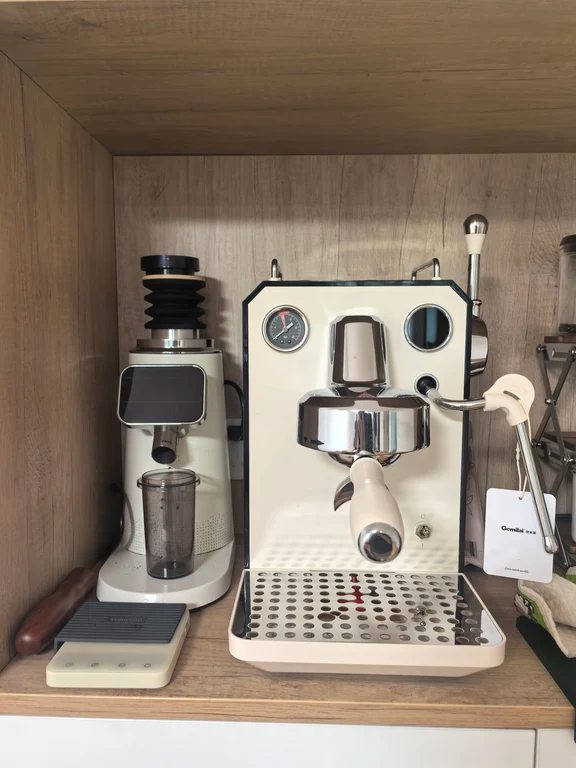
When dialed in properly, the espresso produced has thick, rich crema and superior flavor nuance that automated machines simply cannot match. You also get full control over commercial-style steam wands to practice latte art on flat whites and cappuccinos.
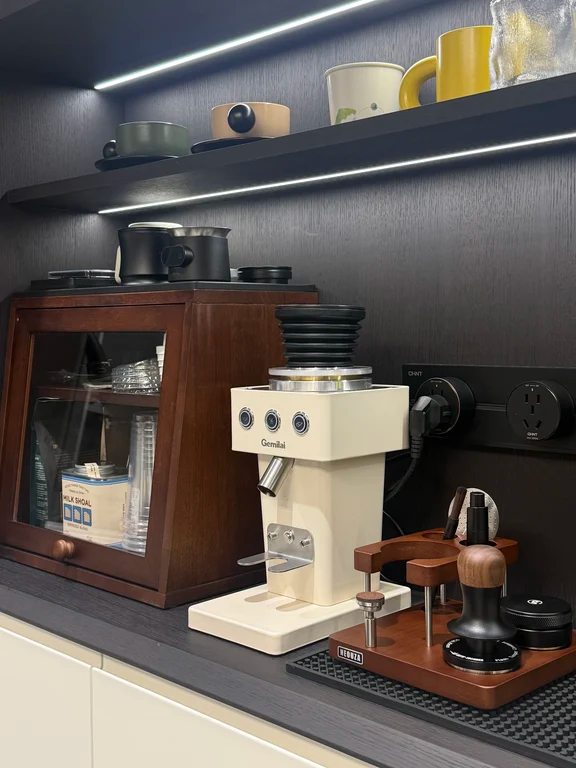
However, there is a clear learning curve. Dialing in a new bag of beans takes patience, and making a single milk drink can take around ten minutes from prep to cleanup. After pulling a shot, you must immediately purge and wipe the steam wand and clean the group head.
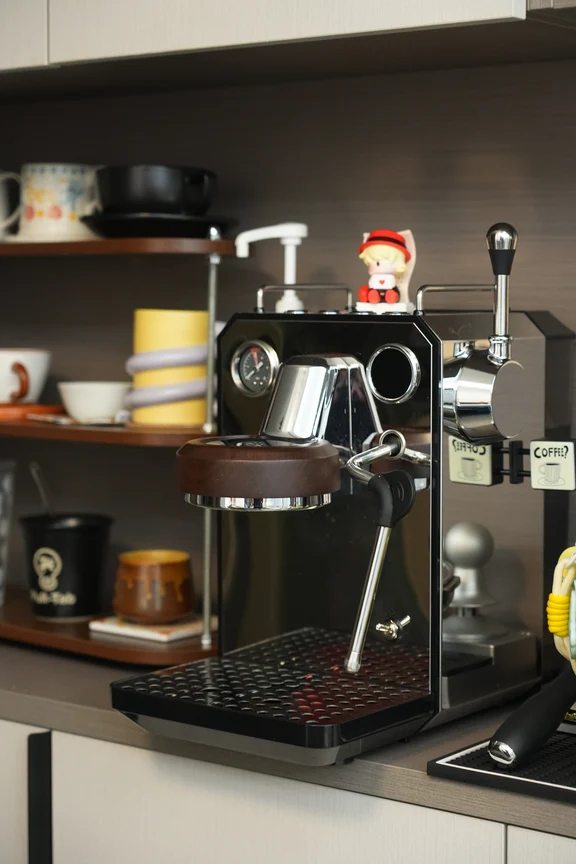
Popular benchmarks in this category include models like the Gemilai 3006A (noted for its 58mm commercial-standard group head) and all-in-one grinder machines like the Tims T5 or Rooma Pro.
Fully Automatic Bean-to-Cup Machines: Pure Convenience
If your priority is a fast, warm coffee before heading out to work without touching loose coffee grounds, a bean-to-cup machine is the most sensible option. You pour whole beans into the hopper, press a button on the touch panel, and the machine handles grinding, dosing, tamping, and extraction.
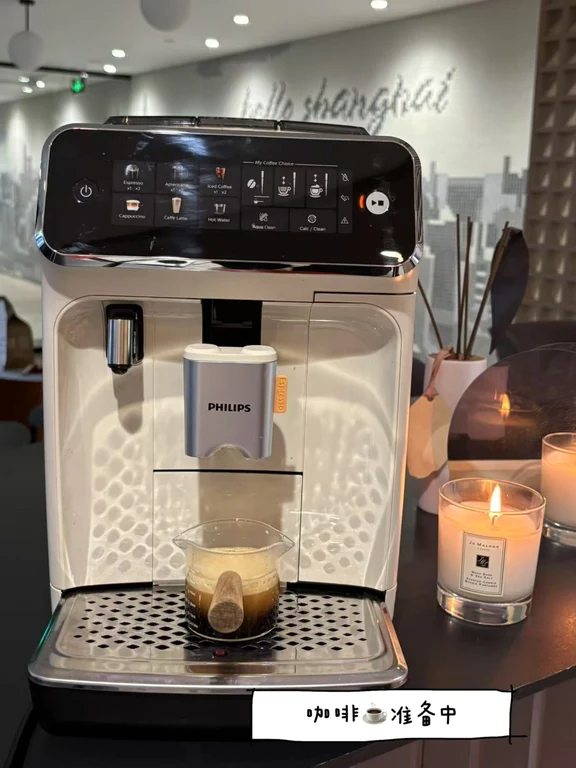
Many modern setups, like the Philips 3300 series with the LatteGo system, dispense milk froth automatically straight into your mug with minimal fuss.
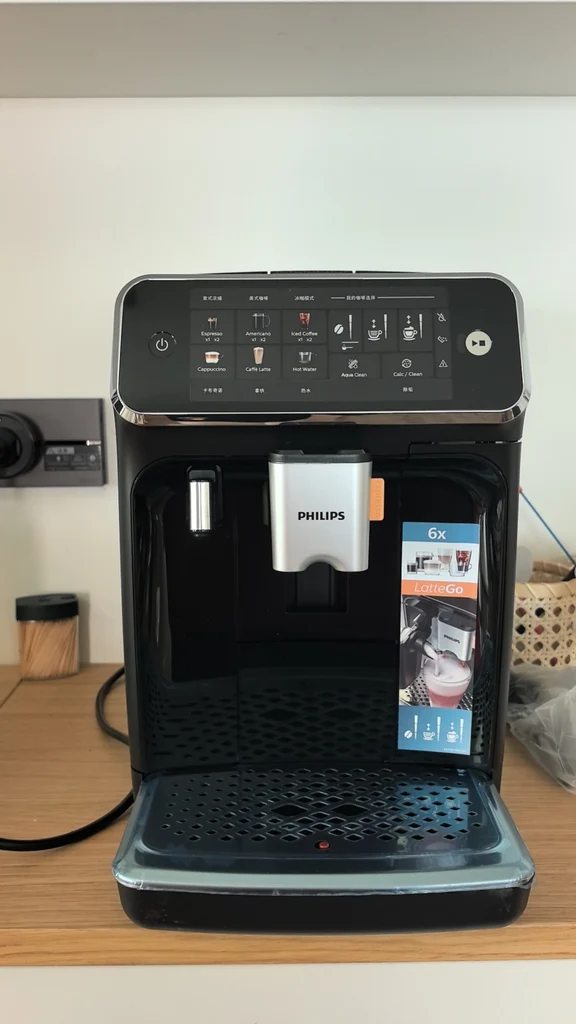
The trade-off is flavor ceiling and adjustments. Fully automatic units offer narrower extraction parameters, meaning you cannot fine-tune extraction flow the way you would on a manual portafilter.
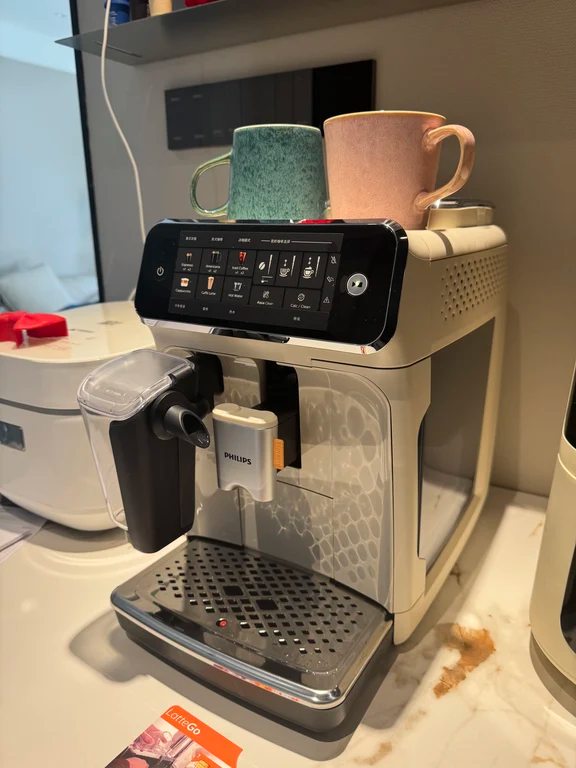
They also require disciplined hygiene: the internal brew unit must be pulled out and rinsed weekly to avoid stale coffee buildup and mold, and the automatic milk carafe needs daily rinsing.
Capsule and Drip Machines: Fast and Compact
Capsule machines like the Nespresso Essenza Mini deliver consistent espresso in seconds with virtually zero mess. They take up little counter space and require almost no cleanup beyond emptying the used pod container.
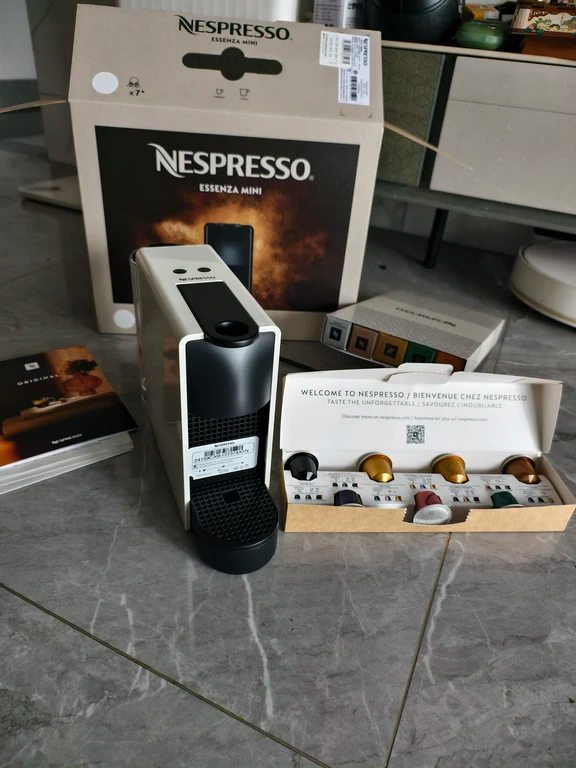
The downside is ongoing expense: coffee pods cost noticeably more per serving than whole beans, and the espresso lacks the body and freshness of freshly ground beans.
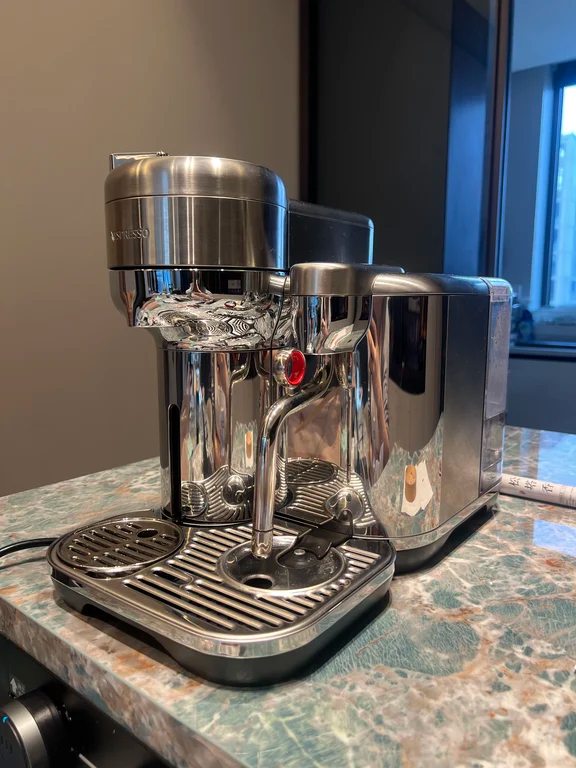
Premium capsule units with built-in steam wands bridge some of that gap for milk drinks, while classic drip filter machines remain the simplest, budget-friendly route for large mugs of black coffee.
Key Details to Check Before Buying
- Pressure and Temperature: Do not get misled by exaggerated pump ratings like 20 Bar. Steady pressure between 9 and 15 Bar is what actually counts. Look for machines with PID electronic temperature control (holding variance within ±1°C) to prevent sour or burnt shots.
- Grinder Quality: If buying a semi-automatic setup, prioritize the grinder. An expensive machine paired with an inconsistent blade or cheap grinder will never produce good espresso. For integrated grinder units, make sure the burrs can be detached easily for brushing out trapped grinds.
- Standard 58mm Portafilter: In semi-automatic machines, choosing a 58mm commercial basket size gives you wide access to third-party precision baskets, tampers, and bottomless portafilters later on.
- Water Hardness: Scale buildup is the number one cause of home coffee machine failure. Avoid direct tap water; use filtered or RO bottled water, and descale the system every one to three months.
Before picking a model, evaluate your daily habits: do you want a fast morning boost, or do you want to master the art of espresso? You can compare current home coffee machine models and prices across trusted electronics and appliance retailers in Iraq directly on Kenzam.
Source: [51]