 Kenzam
 How to Choose Wireless Earbuds: Form Factor, ANC, and Essential Specs
A clear, practical guide to selecting the right wireless earbuds based on fit, active noise cancellation, battery life, and smartphone compatibility.
Choosing the right pair of wireless earbuds comes down to identifying how you actually plan to wear them every day rather than simply buying the most expensive model on the shelf. The best earbud for your daily commute might feel completely uncomfortable during an intense gym workout or a long shift at the office. Balancing design, active noise cancellation, and proper smartphone compatibility ensures you get the ideal sound and comfort for your budget.
Choose Your Wearing Style: Comfort Comes First
Sound quality matters little if your ears hurt after twenty minutes. Finding the correct shape is the single most crucial step in narrowing down your options.
- In-ear earbuds: Fitted with soft silicone tips, these create a tight acoustic seal. They deliver deep bass and provide the strongest base for active noise cancellation (ANC). They are ideal for flights, noisy transit, and immersive listening, though some users find the canal pressure tiring over extended hours.


- Semi-in-ear earbuds: These rest gently at the entrance of your ear canal without fully plugging it. They allow your ears to breathe and remain comfortable through hours of study or office calls. However, they lack strong passive isolation and rarely match the deep noise cancellation of sealed models.

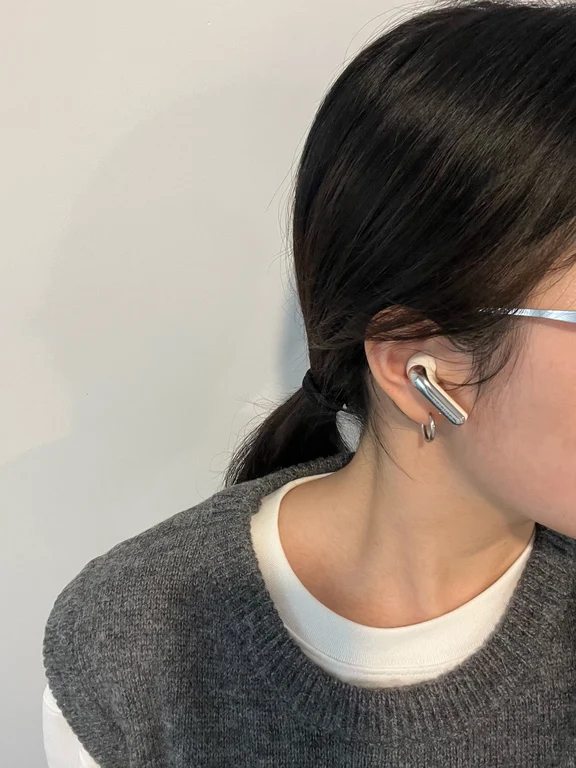
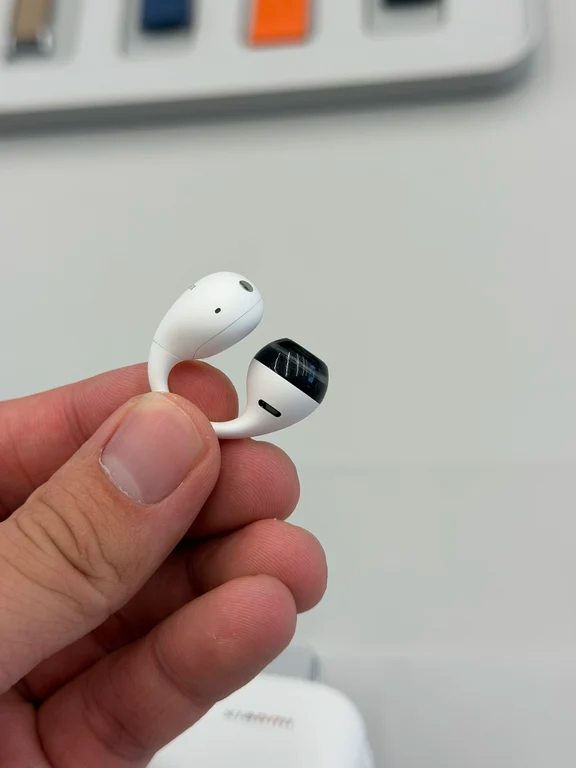
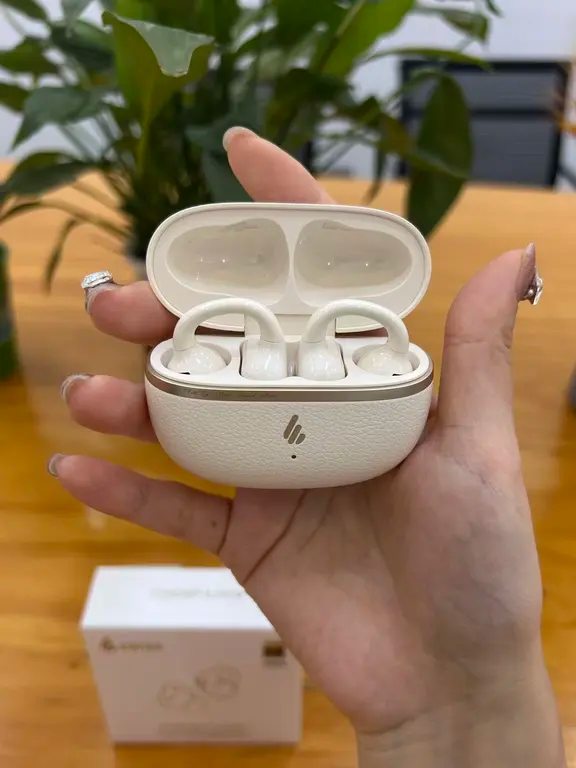
- Open-ear and clip-on styles: Featuring ear cuffs or wraparound hooks, open-ear designs leave the canal completely free. They are exceptionally stable during running and outdoor workouts while keeping you alert to surrounding traffic. Bass response is generally softer, but they are a lifesaver for people prone to ear fatigue.
Essential Specs: What Actually Matters
Spec sheets can look overwhelming, but focusing on four key technical details will help you filter out mediocre options quickly.
- Active Noise Cancellation (ANC): A rating around 30dB offers entry-level dampening for cafes, while 40dB or higher handles loud bus and street noise. More than the peak decibel number, look for natural transparency modes and adaptive pressure balancing to avoid a stuffy feeling in your ears.

- Latency: If you play mobile action games, make sure the model supports a low-latency gaming mode that pushes response times down under 60 milliseconds to keep audio synchronized with the screen.
- Battery and charging: A realistic target is 6 to 8 hours of playback per charge, reaching 30 hours or more when combined with the charging case. Fast charging support, where a ten-minute charge yields two hours of music, is immensely convenient.
- Audio codecs: Android phones benefit from advanced codecs like LDAC or LHDC for high-resolution streaming. If you use an iPhone, consistent AAC support is the standard you need.
Common Buying Mistakes to Avoid
Avoid judging an earbud strictly by advertised noise cancellation numbers; unnatural digital cancellation can trigger headache-inducing ear pressure. Additionally, consider brand ecosystems. Pairing earbuds with the same smartphone brand often unlocks smoother animations, faster pairing, and custom equalizer settings.
Check ingress protection ratings as well. An IPX4 rating is fine for light splashes and light sweat, but vigorous gym sessions or rainy outdoor runs warrant IP57 or higher durability.
When you are ready to upgrade your audio gear, use Kenzam to compare current wireless earbud prices and availability across trusted local stores in Iraq before making a decision.
Source: [49]