 Kenzam
 Huawei Watch GT vs Samsung Galaxy Watch: Battery Champion or Wrist Smartphone?
Deciding between Huawei Watch GT and Samsung Galaxy Watch? Compare battery endurance, Wear OS app ecosystems, and health sensors to choose what fits your lifestyle.
Choosing between a Huawei Watch GT and a Samsung Galaxy Watch comes down to a clear dilemma: do you want a fitness watch that lasts weeks on a single charge, or a full-fledged wrist computer that requires daily charging? If your priority is worry-free battery endurance and seamless fitness tracking, Huawei is the frontrunner. If you want rich app support, interactive messaging, and clinical-grade health diagnostics, Samsung is the undisputed winner.
Battery Life: Multi-Week Stamina vs Daily Top-Ups
Battery performance is the starkest contrast between both lineups. Huawei designs the Watch GT series around extreme power efficiency. Larger 46mm variants typically cruise through 12 to 21 days on standard routines, while compact models easily hit 7 to 14 days. For road trips, camping, or busy work weeks, you can leave the charger behind without battery anxiety.
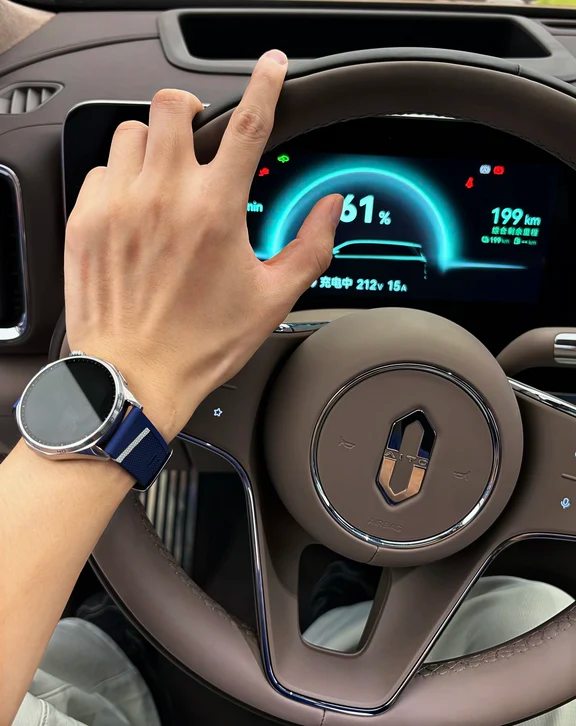
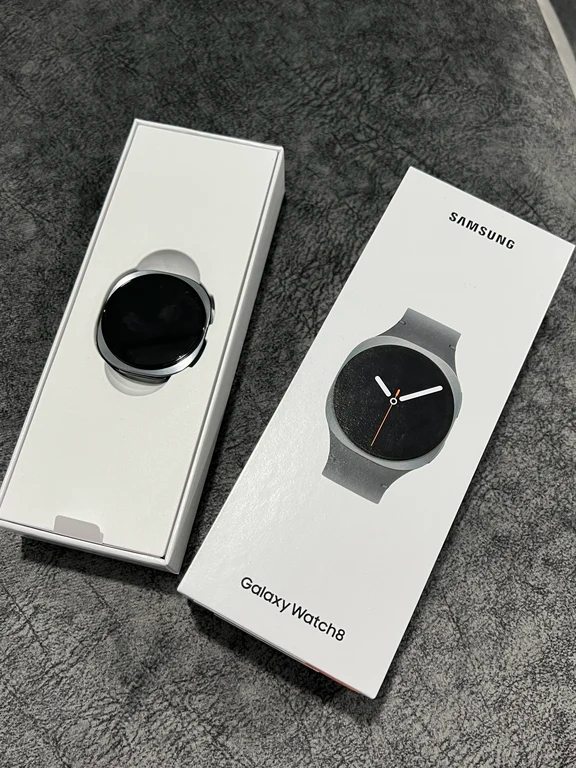
In contrast, modern models like the Samsung Galaxy Watch 8 44 MM 44 inch follow the traditional full-smartwatch formula powered by Wear OS. You can expect roughly 24 to 36 hours of real-world use per charge, dipping further under heavy GPS workouts or with the always-on display active. Samsung softens this with fast wireless charging that restores most of the cell in about 30 minutes, but charging daily remains part of the routine.
Software and Everyday Smart Features
Samsung delivers a true extension of your mobile phone. Thanks to Wear OS and close ties with Android, Galaxy watches let you download standalone apps from the Google Play Store, respond flexibly to chat messages, control connected smart home appliances, and navigate with rich on-screen maps. Navigation feels natural, especially on classic variants with tactile hardware dials.
Huawei takes a purposeful, utility-focused stance. The Watch GT handles Bluetooth calls, displays incoming notifications, controls music playback, and supports contactless payments cleanly. However, interactive replies and third-party app installations are much more constrained. It acts as an efficient companion rather than an independent computing device.
Health and Fitness Tracking
Both brands excel at wellness monitoring, yet their focuses diverge:
- Huawei Watch GT: Powered by TruSeen sensing tech, it shines during sports routines. It delivers reliable continuous heart rate readings, blood oxygen monitoring, sleep stages, stress tracking, and readiness metrics tailored to outdoor running, hiking, and cycling.
- Samsung Galaxy Watch: Integrates clinical-oriented bio-sensors. Depending on regional support and paired Galaxy phones, models like the Samsung Galaxy Watch 8 40 MM offer ECG checks, blood pressure tracking after cuff calibration, body composition analysis (body fat and skeletal muscle), and sleep apnea indicators.
Which One Matches Your Needs?
Pick the Huawei Watch GT if you prioritize weeks of battery life, love endurance sports, or dislike tethering another gadget to a daily charging stand.
Pick the Samsung Galaxy Watch if you carry a Samsung or modern Android phone, want deep conversational replies, need downloadable wearable apps, and value detailed health metrics like body composition analysis.
Before deciding, browse Kenzam to compare current retail prices and model availability across trusted tech stores in Iraq to get the best deal.
Source: [101]