 Kenzam
 iPad Air vs. iPad Pro: Which Tablet Actually Makes Sense for Daily Use?
Deciding between the iPad Air and iPad Pro? We break down screen refresh rates, OLED displays, M-series chips, and everyday performance to help you choose.
If you are trying to decide between an iPad Air and an iPad Pro, the short answer for most people is simple: the iPad Air offers all the speed and versatility non-professionals need, saving you a substantial sum of money. The iPad Pro delivers unmatched display technology and extra audio punch, but those premium extras only justify the higher cost if your daily workflow demands them.
Screen Fluidity: 120Hz ProMotion vs. Standard 60Hz
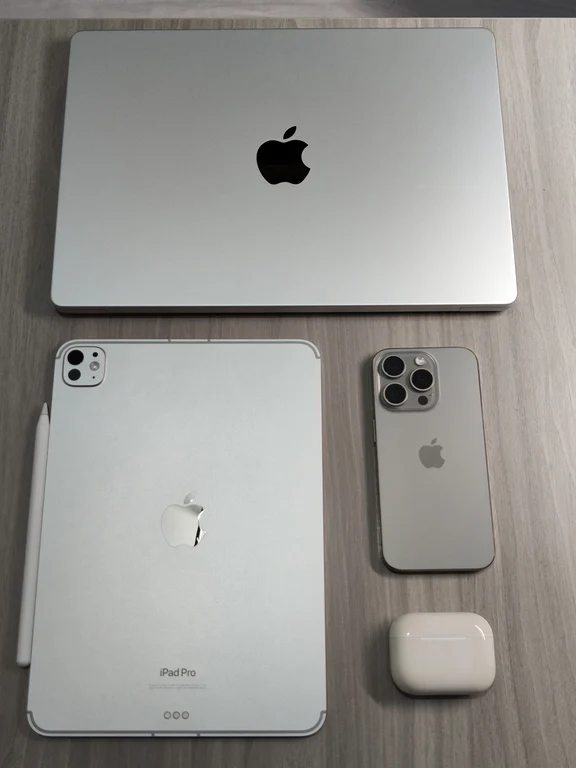
The most immediately noticeable difference in everyday handling is refresh rate. The iPad Pro features a 120Hz ProMotion dynamic refresh rate. Swiping through social feeds, switching between multitasking spaces, and taking fast handwritten notes with the stylus feel exceptionally responsive.
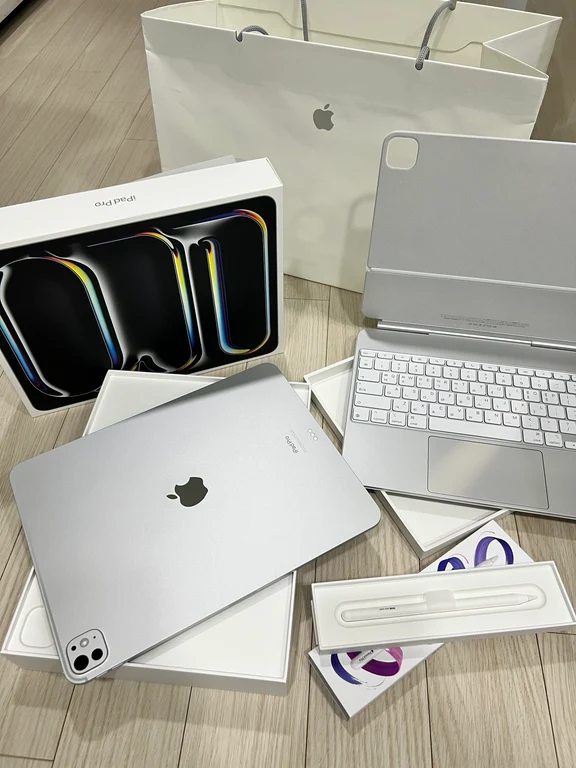
The iPad Air sticks to a standard 60Hz refresh rate. For watching streaming videos, typing documents, or browsing websites, 60Hz performs smoothly and reliably. However, if your daily phone already features a high-refresh-rate display, you may notice that the Air feels slightly less immediate when dragging windows or scrolling rapidly.
Display Quality: Tandem OLED vs. Liquid Retina LCD
Screen technology is another major upgrade on recent Pro models. The iPad Pro utilizes a tandem OLED panel that achieves true deep blacks, immense contrast ratios, and higher peak brightness. Movies in HDR, color grading projects, and high-resolution photo edits look striking.
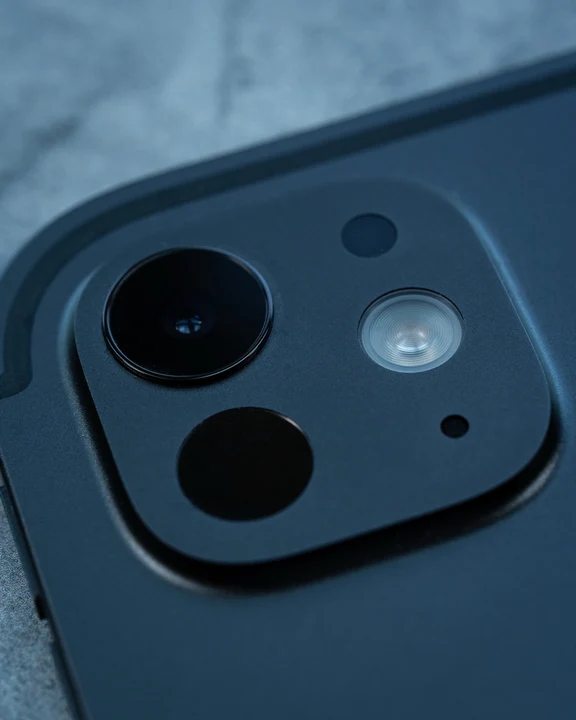
By contrast, the iPad Air relies on Apple Liquid Retina LCD panel. It still offers accurate colors, sharp text, and anti-reflective coatings. Black levels are not as ink-like as OLED, but many users find LCD screens softer and more comfortable during prolonged reading or study sessions in dim lighting.
Chip Performance: Does the Speed Gap Matter?
Whether powered by an M3, M4, or newer generation Apple silicon, both devices hold immense compute reserves. The Pro model packs higher graphics ceiling and sustained throughput, while the Air shares the same core architecture.
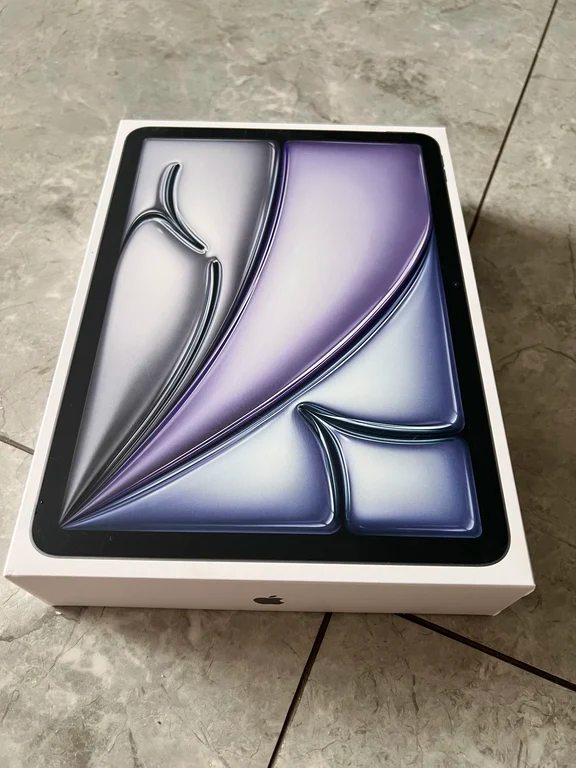
For regular activities—online classes, PDF markup, video streaming, document processing, and casual gaming—everyday users rarely push an M-series chip past a fraction of its limit. In day-to-day app launches and general responsiveness, the two tablets feel virtually identical.
Speakers and Apple Pencil Experience
Audio creates another noticeable separation. The iPad Pro includes a four-speaker sound system that produces wider stereo separation, richer bass, and clearer dialogue when watching films without headphones. The iPad Air features a dual-speaker layout; it sounds clear and loud enough for video calls and casual watching, but lacks the deep acoustic depth of the Pro.
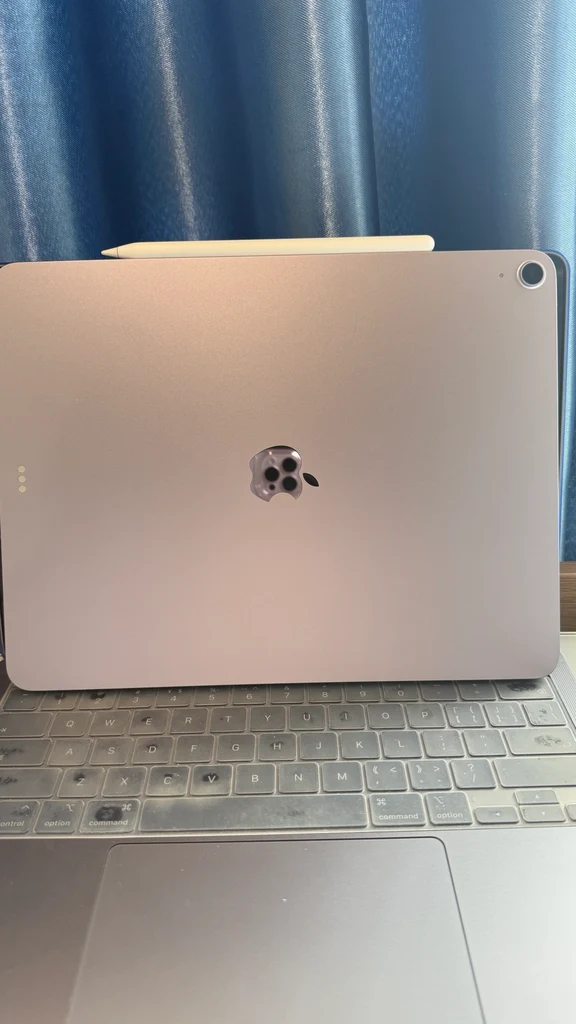
Both modern lineups support accessories like the Apple Pencil Pro, meaning artists and students get magnetic pairing, low latency, and pressure sensitivity across both lines.
Which Model Should You Buy in Iraq?
- Choose the iPad Air if your routine centers on note-taking, university coursework, video streaming, and everyday office apps. It gives you top-tier Apple silicon performance at a practical price.
- Choose the iPad Pro if you are a visual artist, video editor, or someone who cannot compromise on 120Hz fluid motion, tandem OLED contrast, and quad-speaker acoustics.
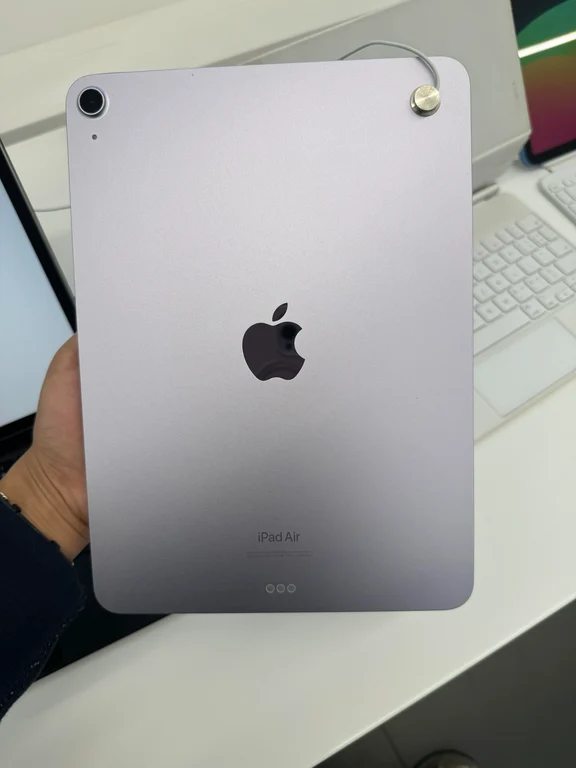
Tablet prices in Iraq vary between electronics retailers in Baghdad, Erbil, and other cities depending on warranty and storage tiers. On Kenzam, you can easily compare active listings and current prices from verified Iraqi shops to find the best deal before making a decision.
Source: [75]