 Kenzam
 Samsung vs LG Flagship OLED TVs: How to Choose the Right Screen
Compare Samsung QD-OLED and LG WOLED flagships. Learn the differences in panel brightness, anti-glare coatings, Dolby Vision, and gaming features before buying in Iraq.
Choosing between top-tier Samsung and LG OLED televisions usually comes down to your room lighting, format preferences, and gaming setup. Samsung leans heavily into vivid color purity, high daytime visibility with matte anti-glare panels, and ultra-thin profiles. LG focuses on reference black levels, wide viewing angles, full-bandwidth connectivity, and native Dolby Vision support across its lineup.
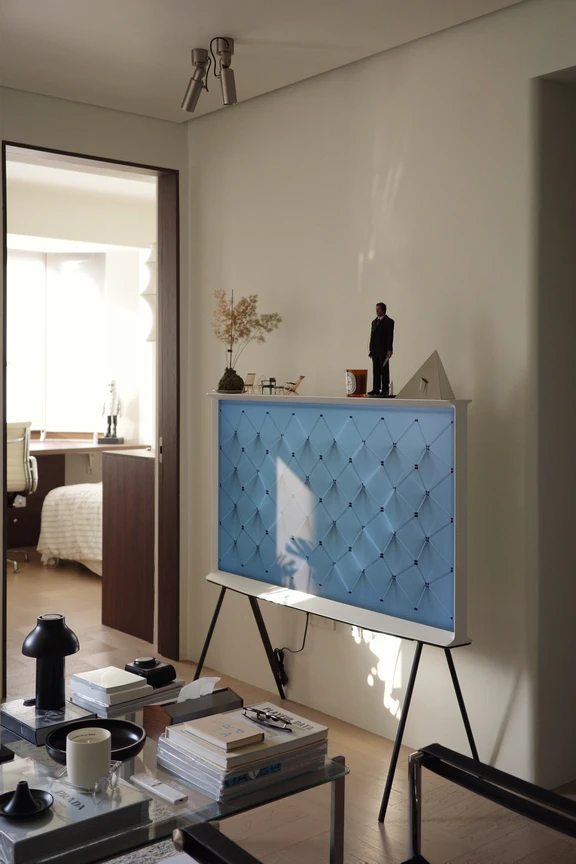
Core Panel Differences: QD-OLED vs WOLED
The technological split between the two Korean giants defines how each screen looks in everyday use:
- Samsung (QD-OLED): Quantum Dot OLED combines blue self-lit pixels with quantum dots to produce exceptionally pure colors and punchy highlights. Modern flagship iterations boast peak brightness well above 2000 nits, paired with matte anti-reflective coatings that diffuse harsh ambient light without washing out colors in bright living rooms. However, Samsung continues to bypass Dolby Vision, prioritizing its proprietary HDR10+ format.
- LG (WOLED and Tandem WOLED): LG’s long-standing OLED technology utilizes a white subpixel structure, refined in recent flagships into multi-layer Tandem stacks that push peak brightness into several thousand nits. LG provides native Dolby Vision and Dolby Atmos processing, making it a favorite for film enthusiasts who want creator-calibrated streaming.
Form Factor and Daily Usability
Design philosophies also differ when mounting or placing the screen. Samsung often pushes ultra-slim enclosures—down to near 1.1 cm—sometimes using external connection boxes to keep the chassis flat against the wall. A potential trade-off on certain slim models is slightly capped HDMI bandwidth (around 40Gbps on select iterations rather than the full 48Gbps spec).
LG flagships emphasize flush wall-mounting (such as the Gallery series) using dedicated brackets. Their webOS platform offers straightforward integration with home consoles and PC gaming rigs, providing four full-spec HDMI 2.1 ports capable of 4K at 120Hz or 144Hz with low input lag. To maximize these ports with your PC or console, pairing your setup with a dedicated high-bandwidth cable like the Vcom Hdmi 2 1v Am Am ensures uninterrupted variable refresh rate (VRR) performance.
Which Flagship Fits Your Room?
- Choose Samsung QD-OLED if: Your TV sits in a bright, sunlit room with large windows where matte anti-glare technology and saturated, luminous color make the biggest difference during daytime viewing.
- Choose LG OLED if: You prioritize Dolby Vision streaming on platforms like Netflix and Apple TV, prefer full-bandwidth HDMI 2.1 connectivity across all ports, and watch movies in controlled or dimmed lighting.
When you are ready to upgrade, you can check and compare current local availability and store prices across Iraq on Kenzam to find the best deal from trusted regional electronics retailers.
Source: [121]